








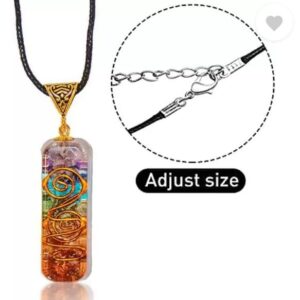
Titanium Quartz Stone Pendant
Original price was: ₹1,500.₹606Current price is: ₹606.Titanium Quartz Stone Pendant



Showing 545–576 of 1602 results
Titanium Quartz Stone Pendant
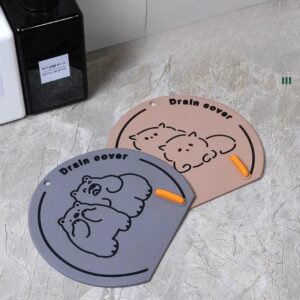
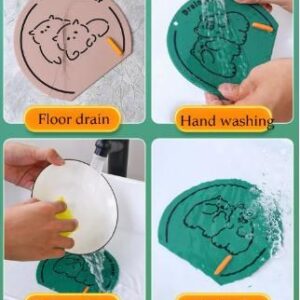
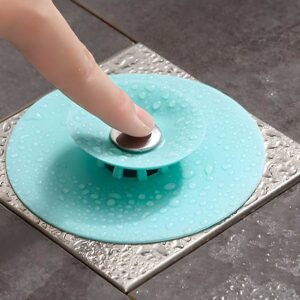
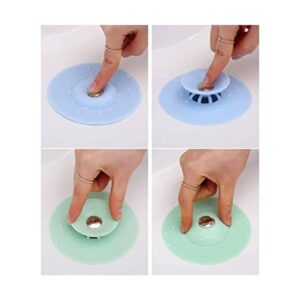
Material: Made from thickened silicone for durability and a tight seal against surfaces.
Deodorant Function: Effectively blocks unpleasant sewer gases and odors from entering the room.
Pest Control: Acts as a barrier to prevent cockroaches and other insects from crawling out of the floor drain.
Versatility: Suitable for use in bathrooms, kitchens, and laundry areas.
Charging Crystals: Used to cleanse and recharge the energy of other healing crystals and gemstones.
Vastu Remedy: Believed to balance the energy in a home or office environment.
Meditation: Often used during spiritual practices to promote a calm, meditative state.
Decorative: Suitable for placement on desks, altars, or shelves in homes and offices.
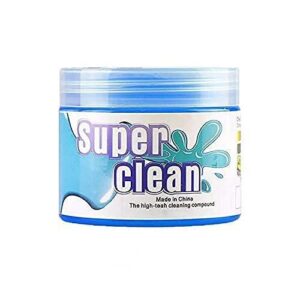
Application: Ideal for cleaning computer keyboards, laptop keys, car air vents, dashboards, remote controls, cameras, and mobile phones.
Material: A high-tech, soft, putty-like gel that is biodegradable and non-toxic. It is designed to be skin-friendly and leave no oily residue on surfaces.
How it Works: You press the gel into the gaps or surfaces you want to clean, and it absorbs dust, dirt, crumbs, and hair into the gel.
Reusable: The gel can be reused multiple times until it changes color (typically turns dark/opaque), at which point it should be replaced.
Storage: Must be stored in a cool, dry place inside its original container to prevent it from drying out or melting.
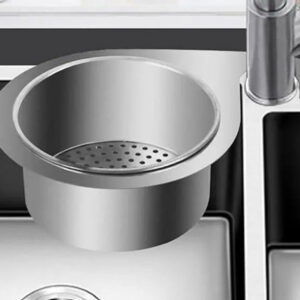
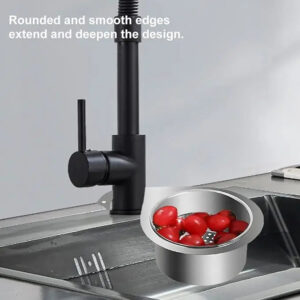
Material: Durable stainless steel (typically rust-resistant and easier to clean than plastic versions).
Unique Design: The “swan neck” or triangular shape is specifically designed to fit into the corner of the sink to save space.
Multi-functional: * Filters kitchen leftovers and food waste.
Functions as a wash basket for fruits and vegetables.
Can be used as a sponge and scrubber holder.
Easy Installation: Typically hooks onto the faucet or sits securely in the corner without requiring permanent fixing.
Flexible & cut-to-size: Easy to trim with scissors or a utility knife.
Magnetic one side: The magnetic poles are arranged across the width; the other side simply sticks via adhesive.
Adhesive backing: Usually acrylic or 3M pressure-sensitive adhesive — sticks to wood, plastic, glass, cardboard, and painted metal.
Operating environment: Works well indoors; many grades are rated up to ~80 °C before losing magnetism due to binder softening.
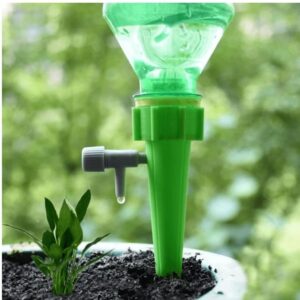
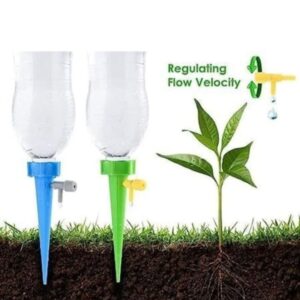
Adjustable flow control: They typically have a valve or drip regulator that lets you dial in the drip rate to match your plant’s water needs.
Bottle-compatible: Most models fit on standard plastic bottles (e.g., 500 ml – 2 L), turning them into reservoirs.
Gravity/pressure-based: No electricity or pumps required — water flows slowly by gravity or pressure differential.
Reusable & eco-friendly: Made of durable plastic and reusable across seasons.
For indoor and outdoor plants: Works with potted plants, balcony gardens, terrace setups, hanging baskets, and more.
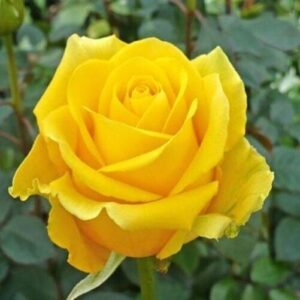
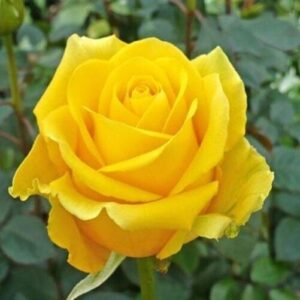
Yellow rose seeds come from specific cultivars of Rosa species that produce vibrant yellow blossoms. These seeds can be used to grow roses in pots, garden beds, borders, or as climbing ornamentals on trellises. Like most rose seeds, they represent the genetic potential of the plant and may result in varying traits depending on the variety and pollination source.
Yellow rose seeds come from specific cultivars of Rosa species that produce vibrant yellow blossoms. These seeds can be used to grow roses in pots, garden beds, borders, or as climbing ornamentals on trellises. Like most rose seeds, they represent the genetic potential of the plant and may result in varying traits depending on the variety and pollination source.
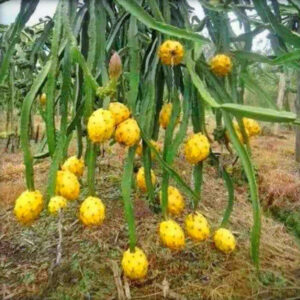
Seeds: Growing from seeds is a fun experiment but takes 3–5 years to produce fruit. The resulting plant may also not be identical to the parent fruit (genetic variation).
Live Plants (Cuttings): This is the preferred method. A healthy live plant or a mature cutting can start fruiting in 12–24 months. They are essentially “clones” of a high-yielding parent.
Seeds: Growing from seeds is a fun experiment but takes 3–5 years to produce fruit. The resulting plant may also not be identical to the parent fruit (genetic variation).
Live Plants (Cuttings): This is the preferred method. A healthy live plant or a mature cutting can start fruiting in 12–24 months. They are essentially “clones” of a high-yielding parent.
Seeds: Growing from seeds is a fun experiment but takes 3–5 years to produce fruit. The resulting plant may also not be identical to the parent fruit (genetic variation).
Live Plants (Cuttings): This is the preferred method. A healthy live plant or a mature cutting can start fruiting in 12–24 months. They are essentially “clones” of a high-yielding parent.
For Kids: It is often used in schools to teach kids about pollinators (like bees and butterflies) and birds that eat the fruit.
Rose Hips: After the flowers fade, the plant produces bright red “hips.” These are technically edible and are very high in Vitamin C.
The Thorns: While the seeds and petals are non-toxic, the stems have sharp “prickles.” Kids should be taught to handle the plant carefully to avoid scratches.
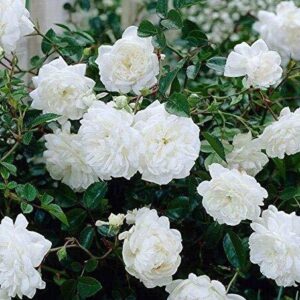
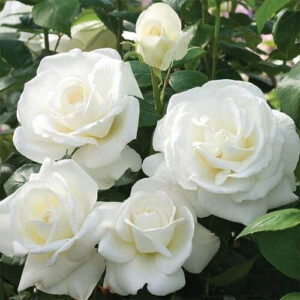
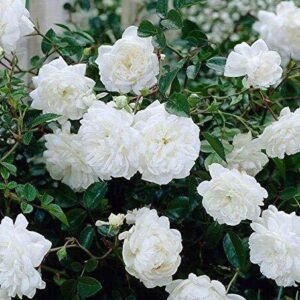
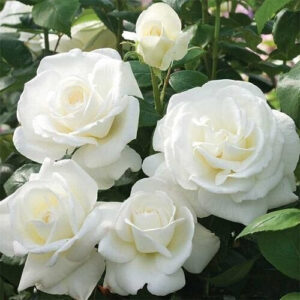
Nooelec Seeds India E Garden White Rose Flower Seeds – affordable pack for home gardening
National Gardens Winky Double Rose & White Flower Seeds – mixed rose seed pack
White Rose Flower 50 Seeds Seed – larger packet of seeds
Buy Rose Seeds (5 seeds) – small, inexpensive pack
White Rose Fresh Exotic Flower Seeds – exotic style seeds
Vibex White Rose Seed – premium white rose seed option
Planting: Choose a sunny spot with well-drained soil.
Watering: Regular watering, avoid waterlogging.
Fertilizer: Balanced organic fertilizer during growing season.
Climate: Best in tropical or subtropical zones — may not fruit well in cool climates.
Fruit Time: If grown from seed, fruit can take 3–4 years; grafted plants may fruit sooner.
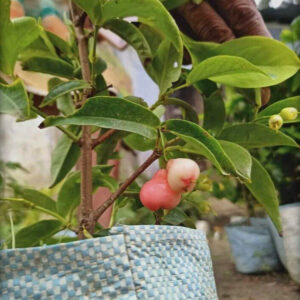
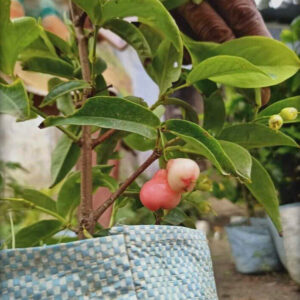
Type: This is a live plant, not just seeds, typically used for gardening and outdoor purposes.
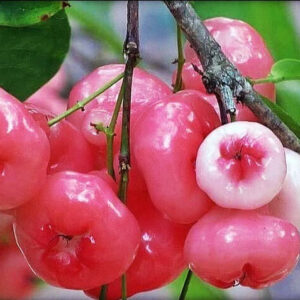
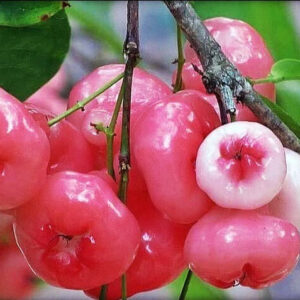
Fruit Type: Often referred to locally in India/Bangladesh as Jamrul or Water Apple. It is known for its high water content, crunchy texture, and bell shape.
Growth Environment: Thrives in tropical and subtropical climates with plenty of sunlight.
Usage: Popular as a decorative backyard tree that also provides edible, refreshing fruit during the summer months.
Care Level: Moderate; requires regular watering (especially in dry seasons) and well-draining soil.
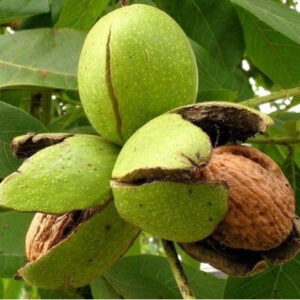
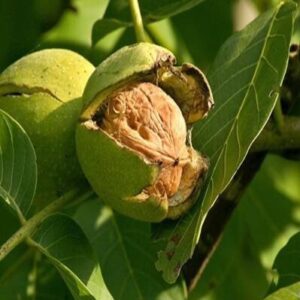
Climate: Best in temperate to subtropical regions with some winter chilling for good nut development (cold winter helps fruiting).
Soil: Deep, fertile, well-drained soil with good organic content.
Watering: Moderate, keep soil moist but not waterlogged.
Space: Walnut trees eventually get very large — they need plenty of space (30–50 ft or more between trees) if planted outdoors.
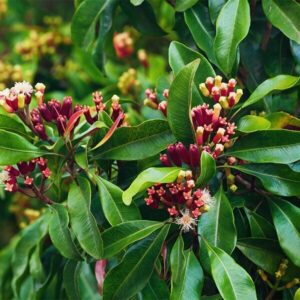
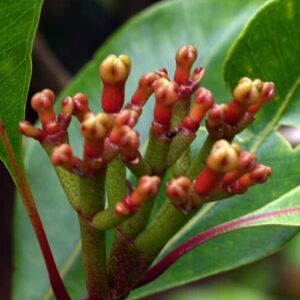
Clove seeds must be fresh and planted quickly, as they lose viability fast.
Germination usually takes 2–6 weeks under warm (25–30 °C) and humid conditions.
Successful seed germination can be low (often <20%) and may take patience.
Seedlings are slow growing and may take several years before flowering and producing harvestable buds.
It’s common for rose seeds to require cold stratification (a period of cool, moist conditions) before they will germinate.
Germination and growth from seeds can be slow and unpredictable — many sellers of rose seeds online may mislabel packets or sell seeds that won’t sprout.
For reliable roses, many gardeners prefer young plants or cuttings from nurseries instead of seeds.
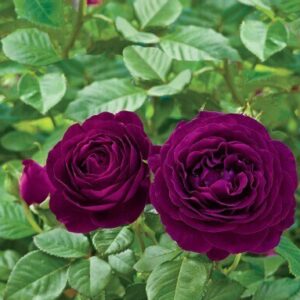
Purple climbing rose seeds for planting in a garden.
Non-GMO purple climbing roses for outdoor cultivation.
Rare purple rose seeds (often heirloom or specialty packs).
Beginner-Friendly: Known for reliable germination and minimal care requirements once established.
Aromatic: Typically produces fragrant flowers that are excellent for cutting and floral arrangements.
Growth Habit: Perennial shrub that returns year after year.
Nature: Non-GMO and untreated seeds.
Suitability: Can be grown in garden beds, borders, or large pots/containers.
True-to-type roses (exact flower colors/traits) are not reliably grown from seed — seeds often produce unpredictable results, especially with hybrid roses.
Many reputable gardeners and growers recommend buying rose saplings or cuttings instead of seeds for consistent blooms.