The Saplings need to take good care in intial days. So Please follow the proper guidlines blew -A. Light Requirements – Direct sunlight for atleast 2-3 hours daily B. Water Requirements – Half a glass twice a week C. Feed Requirements – General purpose liquid fertilizer atleast once a week Dos C. Remove dried leaves/branches…
The Saplings need to take good care in intial days. So Please follow the proper guidlines blew -A. Light Requirements – Direct sunlight for atleast 2-3 hours daily B. Water Requirements – Half a glass twice a week C. Feed Requirements – General purpose liquid fertilizer atleast once a week Dos C. Remove dried leaves/branches…
Annona reticulata is a small deciduous or semi-evergreen tree in the plant family Annonaceae. It is best known for its fruit, called custard apple, a common name shared with fruits of several other species in the same genus: A. cherimola and A. squamosa. Other English common names include ox heart and bullock’s heart.
The Saplings need to take good care in intial days. So Please follow the proper guidlines blew -A. Light Requirements – Direct sunlight for atleast 2-3 hours daily B. Water Requirements – Half a glass twice a week C. Feed Requirements – General purpose liquid fertilizer atleast once a week Dos C. Remove dried leaves/branches…
The Saplings need to take good care in intial days. So Please follow the proper guidlines blew -A. Light Requirements – Direct sunlight for atleast 2-3 hours daily B. Water Requirements – Half a glass twice a week C. Feed Requirements – General purpose liquid fertilizer atleast once a week Dos C. Remove dried leaves/branches…
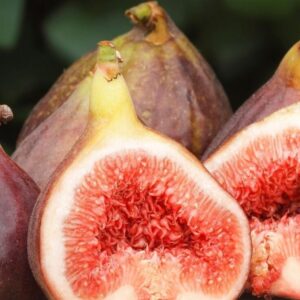
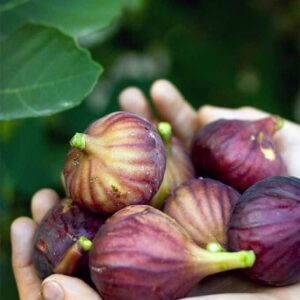
1 healthy Anjeer/Fig plant in nursery pot. Belongs to the world renowned Turkish variety. This Variety bear fruit at a very early stage and has excellent shape and size of the fruit. Plant Height 1.5 to 2 feet. .
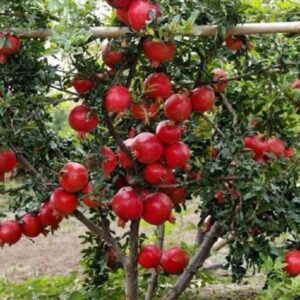
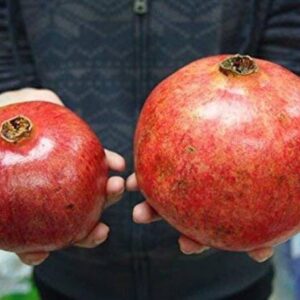
The pomegranate is a fruit-bearing deciduous shrub in the family Lythraceae, subfamily Punicoideae, that grows between 5 and 10 m tall. The pomegranate is rich in symbolic and mythological associations in many cultures.
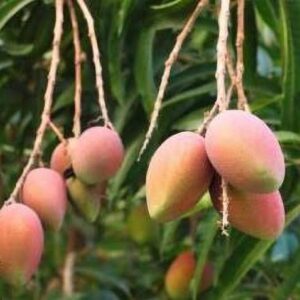
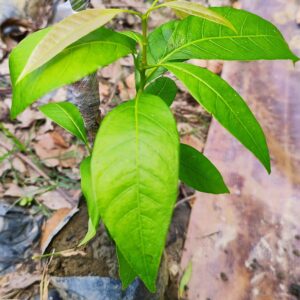
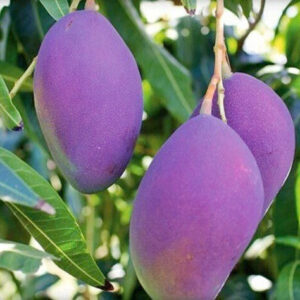
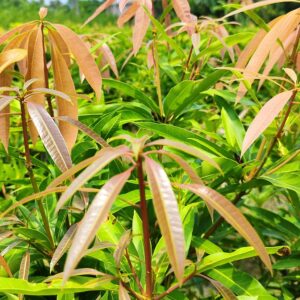
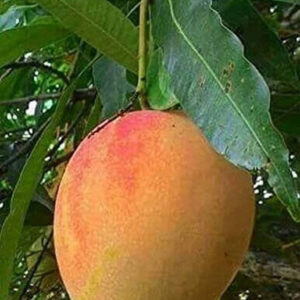
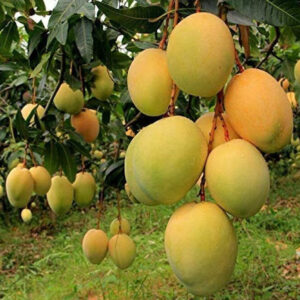
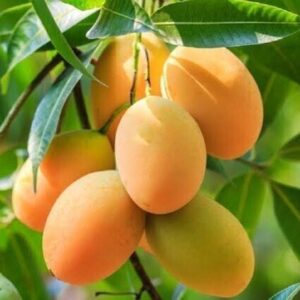
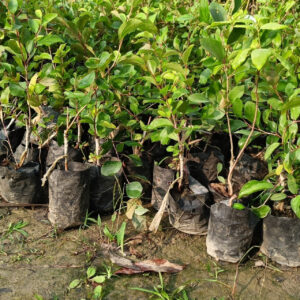
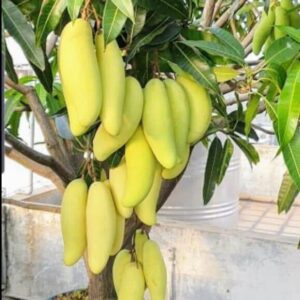
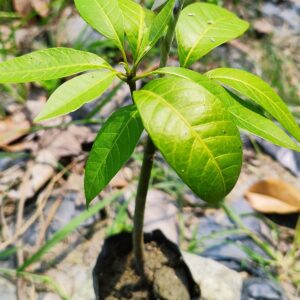
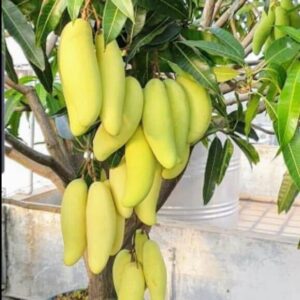
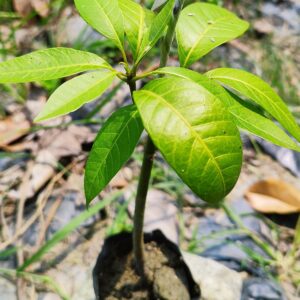
Mangifera indica, commonly known as mango, is a species of flowering plant in the family Anacardiaceae. It is a large fruit tree, capable of growing to a height of 30 metres. There are two distinct genetic populations in modern mangoes – the “Indian type” and the “Southeast Asian type
Mangifera indica, commonly known as mango, is a species of flowering plant in the family Anacardiaceae. It is a large fruit tree, capable of growing to a height of 30 metres. There are two distinct genetic populations in modern mangoes – the “Indian type” and the “Southeast Asian type
Emblica officinalis is commonly called the ‘Indian gooseberry’. It belongs to the family Euphorbiaceae, and is known as Amla in Hindi, and Amalaki in Sanskrit.
Emblica officinalis is commonly called the ‘Indian gooseberry’. It belongs to the family Euphorbiaceae, and is known as Amla in Hindi, and Amalaki in Sanskrit.
Champa, or campaka in Sanskrit, is a large, evergreen tree with beautifully fragrant flowers that have long and thin petals. The flowers can be found in a range of colors from creamy white to orange. The tree is native in Indonesia, India and can be found in other parts of southern Asia.
Champa, or campaka in Sanskrit, is a large, evergreen tree with beautifully fragrant flowers that have long and thin petals. The flowers can be found in a range of colors from creamy white to orange. The tree is native in Indonesia, India and can be found in other parts of southern Asia.
Mangifera indica, commonly known as mango, is a species of flowering plant in the family Anacardiaceae. It is a large fruit tree, capable of growing to a height of 30 metres. There are two distinct genetic populations in modern mangoes – the “Indian type” and the “Southeast Asian type
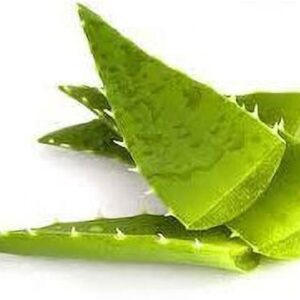
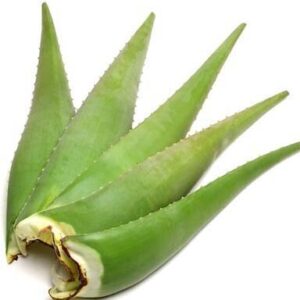
Aloe vera, sometimes described as a “wonder plant,” is a short-stemmed shrub. Aloe is a genus that contains more than 500 species of flowering succulent plants. Many Aloes occur naturally in North Africa. The leaves of Aloe vera are succulent, erect, and form a dense rosette.
Combretum indicum, also commonly known as the Rangoon creeper or Burma creeper, is a vine with red flower clusters which is native to tropical Asia and grows in thickets, primary and secondary forest, and along river banks in the Indian subcontinent, Malaysia and the Philippines
Combretum indicum, also commonly known as the Rangoon creeper or Burma creeper, is a vine with red flower clusters which is native to tropical Asia and grows in thickets, primary and secondary forest, and along river banks in the Indian subcontinent, Malaysia and the Philippines
The almond tree is a deciduous tree in the family Rosaceae which is grown for its edible seeds (nuts). The tree has brown or gray bark and either an erect or weeping growth habit depending on the variety. The trunk can reach 30 cm (12 in) in diameter.
The almond tree is a deciduous tree in the family Rosaceae which is grown for its edible seeds (nuts). The tree has brown or gray bark and either an erect or weeping growth habit depending on the variety. The trunk can reach 30 cm (12 in) in diameter.
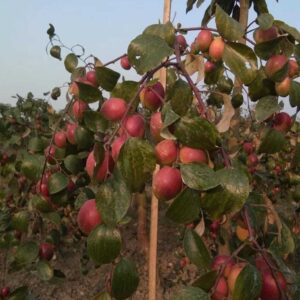
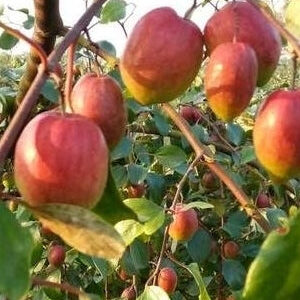
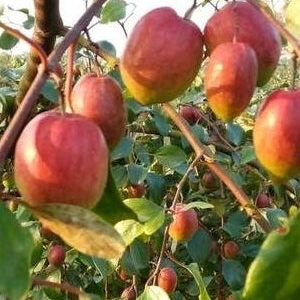
Apple Ber is a Thailand variety fruit and it is also known as the Indian jujube or Chinese date. The taste of this Apple Ber is Sweet, Crispy & Juicy. The weight of each fruit is around 150-200 gm. It appears to be like green Apple.
Apple Ber is a Thailand variety fruit and it is also known as the Indian jujube or Chinese date. The taste of this Apple Ber is Sweet, Crispy & Juicy. The weight of each fruit is around 150-200 gm. It appears to be like green Apple.
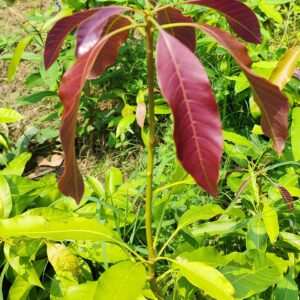
Mangifera indica, commonly known as mango, is a species of flowering plant in the family Anacardiaceae. It is a large fruit tree, capable of growing to a height of 30 metres. There are two distinct genetic populations in modern mangoes – the “Indian type” and the “Southeast Asian type
Mangifera indica, commonly known as mango, is a species of flowering plant in the family Anacardiaceae. It is a large fruit tree, capable of growing to a height of 30 metres. There are two distinct genetic populations in modern mangoes – the “Indian type” and the “Southeast Asian type
These bushes have thick stems and fleshy branches. Its is generally oval-shaped and varies in size. The size generally depends on the maturity of the plant and their location. These plants commonly grow some outdoors, when they are young, they can be seen within an indoor area.
These bushes have thick stems and fleshy branches. Its is generally oval-shaped and varies in size. The size generally depends on the maturity of the plant and their location. These plants commonly grow some outdoors, when they are young, they can be seen within an indoor area.
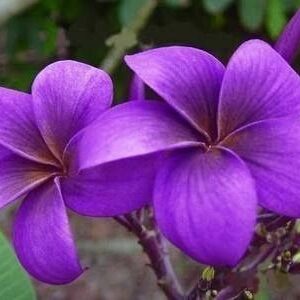
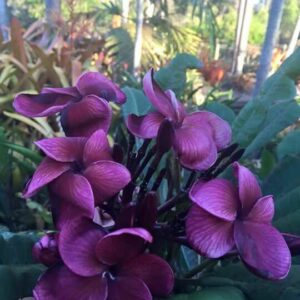
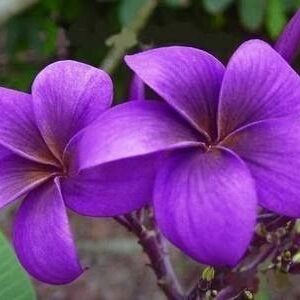
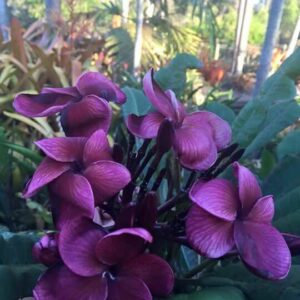
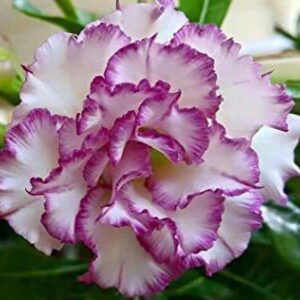
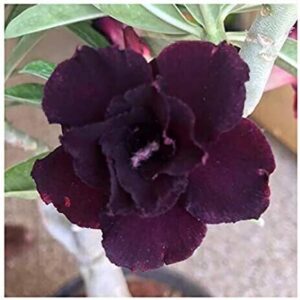
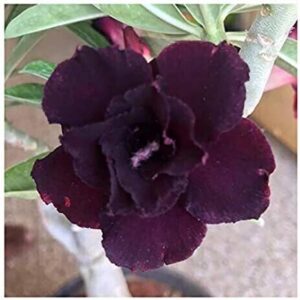
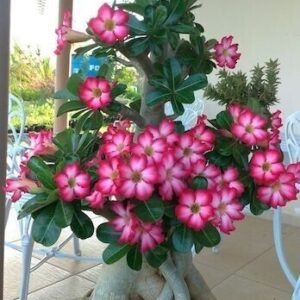
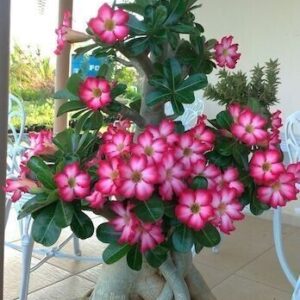
Adenium obesum, commonly called desert rose, is a thick-stemmed sparsely-leaved perennial succulent that is native to semi- arid, sub-Saharan regions of eastern and southwestern Africa plus the Arabian peninsula. In the wild, this plant will eventually rise to 6-9′ tall, but will grow much smaller in containers.
Adenium obesum, commonly called desert rose, is a thick-stemmed sparsely-leaved perennial succulent that is native to semi- arid, sub-Saharan regions of eastern and southwestern Africa plus the Arabian peninsula. In the wild, this plant will eventually rise to 6-9′ tall, but will grow much smaller in containers.
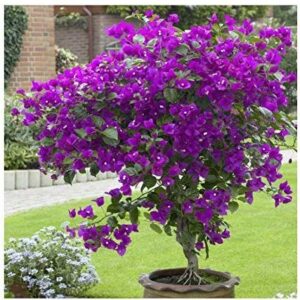
Bougainvillea is a genus of thorny ornamental vines, bushes, and trees belonging to the four o’ clock family, Nyctaginaceae. It is native to eastern South America, found from Brazil, west to Peru, and south to southern Argentina. Different authors accept from 4 to 22 species in the genus
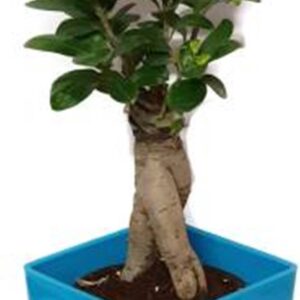
Ficus microcarpa, also known as Chinese banyan, Malayan banyan, Indian laurel, curtain fig, or gajumaru, is a tree in the fig family Moraceae. It is native in a range from China through tropical Asia and the Caroline Islands to Australia.


















![Seeds Air Purifying Good Luck Golden Money Plant - Feng Shui Pothos Plant [Pack of 2 Plants]](https://nexmaxo.in/wp-content/uploads/2026/01/1740131914269-406-1-300x300.jpg)




![Seeds 3 Years Old Indoor Grafted Ficus Bonsai Plant [Live Plant] Plant (Yes Pack of 1 Bonsai)](https://nexmaxo.in/wp-content/uploads/2026/01/1740131917195-491-300x300.jpg)